
AC-Coupled Energy Storage for Factories, Hotels and Office Buildings
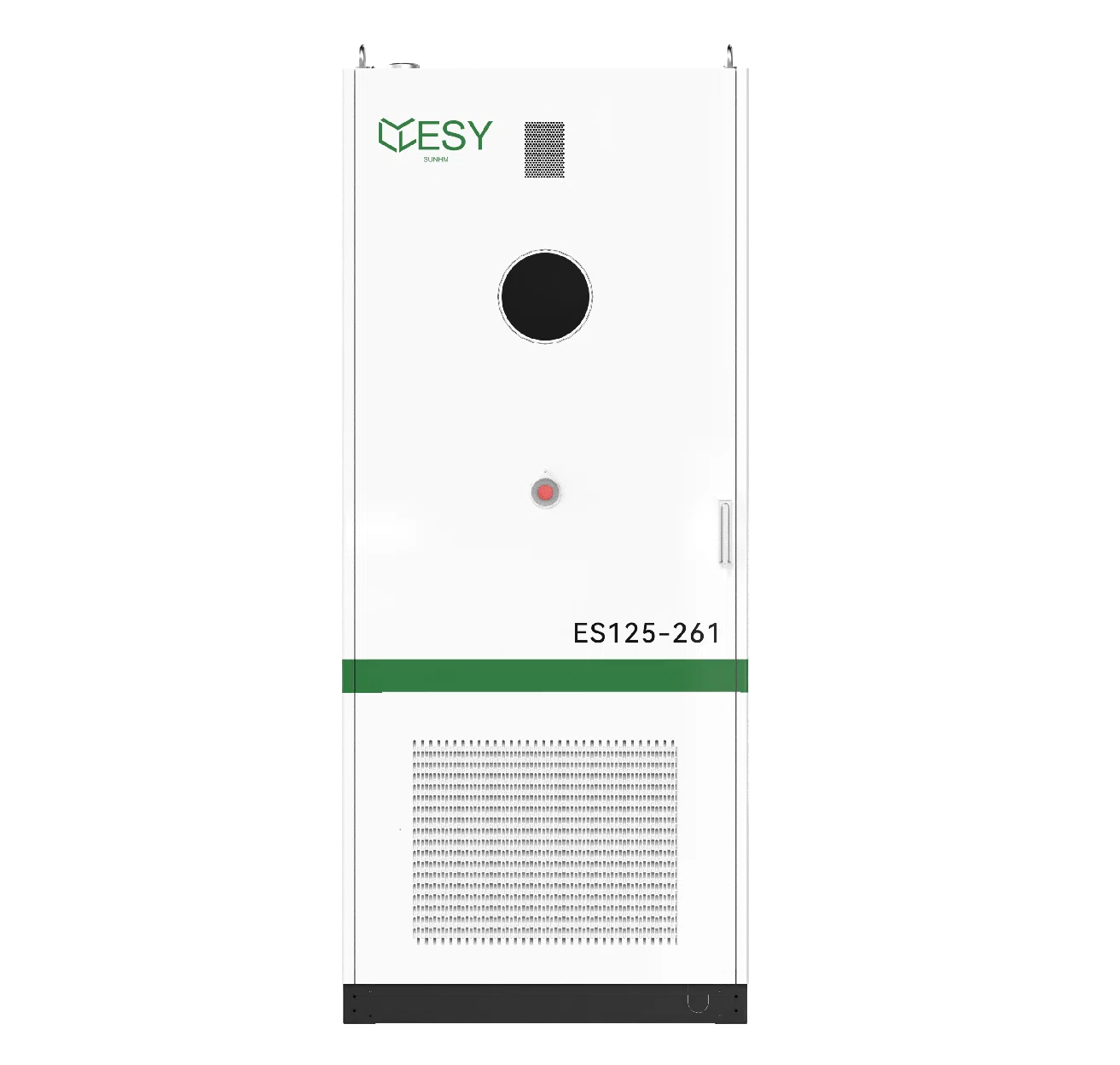
AC-coupled energy storage enables factories, hotels, and office buildings to add battery capacity without replacing existing solar systems. With independent battery inverters, it supports peak shaving, solar self-consumption, and energy cost management. Systems from 100 kWh to several MWh are widely used for commercial applications, helping reduce grid demand and improve energy flexibility.
Commercial buildings are facing higher electricity costs due to changing tariff structures, renewable integration requirements, and increasing power demand from equipment such as HVAC systems, production machines, and data networks. In many markets, demand charges can represent 30%–70% of a commercial electricity bill, making peak power management an important part of energy planning. AC-coupled energy storage allows companies to store electricity during lower-cost periods and supply power when demand reaches higher pricing levels.
Factories often have uneven electricity consumption patterns. Production equipment, compressors, pumps, and heating systems may create short periods of high demand even when total daily energy consumption remains stable. A battery system can discharge during these high-demand windows and reduce the amount of electricity purchased from the grid.
A manufacturing site with a 1 MW peak demand and a 500 kWh battery system can reduce short-duration grid peaks by supplying stored electricity during production hours. In suitable applications, peak demand reductions of 10%–30% are commonly targeted depending on load patterns and tariff conditions.
The same approach applies to hotels, where electricity use changes throughout the day according to guest occupancy, kitchen operation, lighting schedules, and cooling requirements. Hotel energy consumption usually reaches higher levels during daytime and evening hours when air conditioning and guest services operate simultaneously. Battery storage can absorb excess solar generation and release electricity during expensive periods.
For office buildings, the electricity profile is often concentrated between 8 a.m. and 6 p.m. on working days. Rooftop solar generation may not match actual consumption because photovoltaic output changes with weather conditions and sunlight availability. Adding storage improves the connection between renewable generation and building demand.
| Building type | Main storage use | Typical system size |
|---|---|---|
| Small commercial buildings | Solar self-consumption and backup support | 100–500 kWh |
| Hotels | Peak reduction and renewable utilization | 500 kWh–2 MWh |
| Factories | Demand management and production support | 1–10 MWh |
AC-coupled systems are widely selected for retrofit projects because the battery side operates independently from the existing photovoltaic inverter. Many commercial properties already have solar installations that were designed several years earlier. Replacing existing PV equipment with hybrid systems can increase engineering work and installation time. An AC-coupled design adds battery inverters and control equipment on the building’s AC network while keeping existing solar equipment operational.
A project completed in 2024 using AC coupling can integrate new battery capacity with a photovoltaic system installed in 2018 or 2019 without replacing the original solar inverter, reducing equipment changes and shortening construction schedules.
The architecture also provides flexibility for future expansion. Commercial electricity demand often increases after facility upgrades, production expansion, or additional electrical equipment installation. A modular battery system allows companies to add more storage units when required instead of installing the maximum capacity at the beginning.
Battery capacity and power rating must be selected according to the building’s electricity profile. Capacity determines how much energy can be stored, while inverter power determines how quickly electricity can be delivered. A system designed for demand reduction usually requires higher power output, while a system designed for long-duration energy shifting requires larger battery capacity.
For example:
-
A 250 kW/500 kWh system can provide approximately two hours of discharge at full output.
-
A 500 kW/2 MWh system can support longer energy shifting periods.
-
A multi-megawatt installation can provide electricity management across large industrial facilities.
Lithium iron phosphate (LFP) batteries are commonly used in commercial and industrial storage because of their long cycle life and stable operating characteristics. Many LFP battery systems can achieve more than 6,000 cycles under controlled conditions, which supports daily charge and discharge operation for approximately 10 years or longer. Battery management systems monitor temperature, voltage balance, state of charge, and operating conditions to maintain reliable performance.
Energy management software is another important part of storage operation. Modern systems connect battery equipment with building management platforms, weather data, and electricity pricing information. The software can schedule charging when electricity prices are lower and discharge when grid demand increases.
According to commercial storage projects deployed after 2020, automated energy scheduling can improve battery utilization compared with manual operation because charging and discharging decisions are adjusted according to actual building conditions.
Renewable energy integration is becoming another common reason for installing battery systems. Solar generation can exceed building consumption during certain periods, especially on weekends or low-occupancy days. Without storage, some renewable electricity may not be fully consumed locally. Battery systems store this electricity and release it later when building demand increases.
The AC-coupled energy storage approach allows existing solar assets and new battery systems to work together through the building’s electrical network. This structure is suitable for commercial facilities that already operate photovoltaic systems but require additional energy management functions.
Safety design has become an important part of commercial battery deployment. Current systems include multiple protection layers such as battery management systems, temperature monitoring, overcurrent protection, communication alarms, and fire safety equipment. International standards and certification requirements continue to improve storage system reliability. Projects installed in Europe, North America, and other regions commonly follow standards such as UL 9540, IEC 62619, and local electrical codes.
Electricity market conditions also influence storage economics. In areas with large differences between peak and off-peak electricity prices, batteries can generate savings by shifting consumption periods. Additional applications include backup power support, renewable energy balancing, and participation in grid service programs where available.
| Function | Operating method | Benefit for businesses |
|---|---|---|
| Peak shaving | Battery supplies power during high demand | Lower demand-related electricity costs |
| Solar storage | Excess solar electricity stored for later use | Higher renewable utilization |
| Backup support | Battery supplies selected loads during outages | Improved energy reliability |
| Time-of-use management | Charging and discharging based on electricity prices | Reduced operating expenses |
The market for commercial and industrial battery storage has expanded rapidly since 2020 as battery prices declined and renewable installations increased. According to industry reports, global energy storage deployments are expected to continue growing through the late 2020s, with commercial applications representing an important share of new installations.
For factories, hotels, and office buildings, AC-coupled systems provide a practical option when adding storage capacity to existing electrical infrastructure. Their ability to integrate with current solar equipment, support different operating strategies, and expand over time makes them suitable for a wide range of commercial energy projects.
Yours at the desk,
admin
Slow letters for slow writers.
One contemplative essay, one craft prompt, one quiet recommendation — delivered each Sunday morning to readers who treat writing as a way of seeing.
Join the Inkwell — Free Weekly Letters