
Reflective Inklings · Vol. VI · Reader's Edition
Materials, Packaging & Textiles
How to Choose the Right Flexible Packaging Supplier for Your Needs?
Selecting a suitable flexible packaging supplier requires a systematic assessment of the match between its technical capabilities and business. The primary indicator is the integrity of the certification system. Suppliers that have obtained the ISO 15378 pharmaceutical packaging certification can achieve a batch qualification rate of 99.95% for their products, while manufacturers with only the basic ISO 9001 certification usually have a batch deviation rate higher than 1.5%. For instance, Johnson & Johnson's audit standards for its suppliers stipulate that the particulate matter concentration in clean rooms should be no more than 352,000 particles per cubic meter, and the accuracy of the online detection system should be able to identify defects as small as 0.1mm². These parameters are directly related to the probability of product recall risks. The quality control system of professional flexible packaging suppliers can keep the rate of quality accidents below 0.03%.
The capacity matching degree needs to be verified through specific parameters. For fast-moving consumer goods brands with a monthly demand of 5 million pieces, suppliers should have a printing speed of over 300 meters per minute, and the registration accuracy error should be less than ±0.1 millimeters. Procter & Gamble's selection criteria require that the supplier's lead time should not exceed 72 hours, the response time for urgent orders should be less than 24 hours, and the production line switching efficiency should be completed within 15 minutes for specification conversion. When conducting on-site inspections, attention should be paid to the equipment load rate. The capacity utilization rate of high-quality suppliers is usually maintained at around 85%, and the peak capacity can be flexibly increased by 30% to meet the demand during the promotion season.
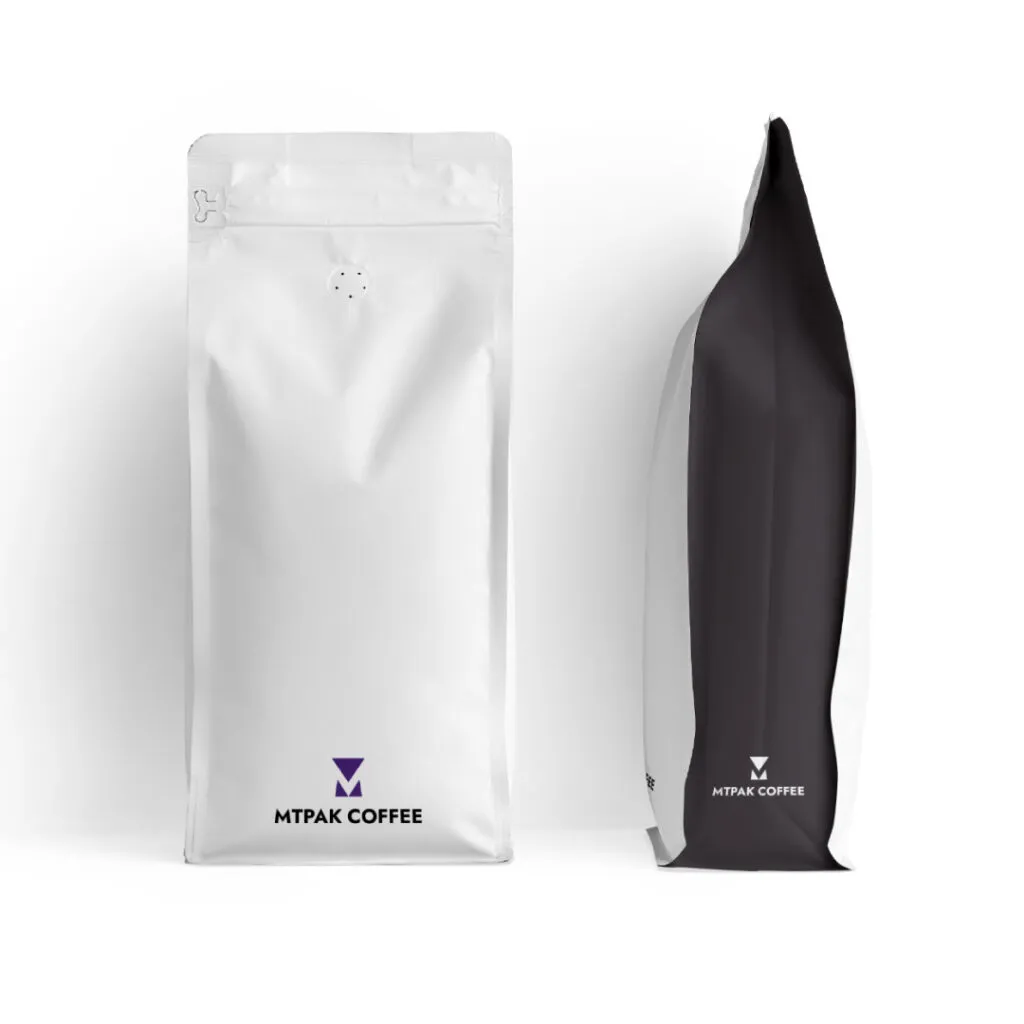 The assessment of technological innovation capabilities should quantify R&D indicators. The R&D investment of the world's top flexible packaging supplier accounts for 5% to 8% of their revenue. For instance, Amcor holds 200 patents for active packaging, and the temperature recording error of its smart labels is only ±0.5℃. During the inspection, it is necessary to provide data on innovative cases. For instance, Zijiang Enterprise developed an aluminum-plastic composite film for a coffee brand, with an oxygen transmission rate controlled below 0.5cc/m²/day, which extended the product's shelf life from 12 months to 18 months. The length of the cycle for jointly developing new products is also a key indicator. Leading suppliers can reduce the sample-making time from 4 weeks to 10 working days.
Sustainable development compliance has become a hard and fast indicator. Suppliers that comply with the EU SUP directive should provide a life cycle assessment report showing that their carbon footprint is reduced by more than 30% compared to traditional solutions. In 2024, L 'Oreal's assessment requirements for its suppliers stipulate that the recycled material content should be no less than 30% and they must obtain UL2809 certification. When conducting on-site factory inspections, the data of the wastewater recycling system should be verified. The industrial water recycling rate of outstanding suppliers can reach 95%, and the energy consumption per unit product is 15% lower than the industry average.
Cost structure analysis requires penetrating surface quotations. Professional flexible packaging suppliers can reduce unit costs by 12% through material optimization, such as using ultra-thin technology to reduce film thickness from 90μm to 65μm while maintaining tensile strength of ≥40MPa. Suppliers should be required to provide a total cost of ownership model, including parameters such as transportation loss rate (which should be less than 0.5%) and inventory turnover days (which should be less than 45 days). Comparative cases show that by cooperating with suppliers certified by BRC, the comprehensive cost can be reduced by 18% within three years, while the quality claim rate drops by 5 percentage points.
The assessment of technological innovation capabilities should quantify R&D indicators. The R&D investment of the world's top flexible packaging supplier accounts for 5% to 8% of their revenue. For instance, Amcor holds 200 patents for active packaging, and the temperature recording error of its smart labels is only ±0.5℃. During the inspection, it is necessary to provide data on innovative cases. For instance, Zijiang Enterprise developed an aluminum-plastic composite film for a coffee brand, with an oxygen transmission rate controlled below 0.5cc/m²/day, which extended the product's shelf life from 12 months to 18 months. The length of the cycle for jointly developing new products is also a key indicator. Leading suppliers can reduce the sample-making time from 4 weeks to 10 working days.
Sustainable development compliance has become a hard and fast indicator. Suppliers that comply with the EU SUP directive should provide a life cycle assessment report showing that their carbon footprint is reduced by more than 30% compared to traditional solutions. In 2024, L 'Oreal's assessment requirements for its suppliers stipulate that the recycled material content should be no less than 30% and they must obtain UL2809 certification. When conducting on-site factory inspections, the data of the wastewater recycling system should be verified. The industrial water recycling rate of outstanding suppliers can reach 95%, and the energy consumption per unit product is 15% lower than the industry average.
Cost structure analysis requires penetrating surface quotations. Professional flexible packaging suppliers can reduce unit costs by 12% through material optimization, such as using ultra-thin technology to reduce film thickness from 90μm to 65μm while maintaining tensile strength of ≥40MPa. Suppliers should be required to provide a total cost of ownership model, including parameters such as transportation loss rate (which should be less than 0.5%) and inventory turnover days (which should be less than 45 days). Comparative cases show that by cooperating with suppliers certified by BRC, the comprehensive cost can be reduced by 18% within three years, while the quality claim rate drops by 5 percentage points.
The assessment of technological innovation capabilities should quantify R&D indicators. The R&D investment of the world's top flexible packaging supplier accounts for 5% to 8% of their revenue. For instance, Amcor holds 200 patents for active packaging, and the temperature recording error of its smart labels is only ±0.5℃. During the inspection, it is necessary to provide data on innovative cases. For instance, Zijiang Enterprise developed an aluminum-plastic composite film for a coffee brand, with an oxygen transmission rate controlled below 0.5cc/m²/day, which extended the product's shelf life from 12 months to 18 months. The length of the cycle for jointly developing new products is also a key indicator. Leading suppliers can reduce the sample-making time from 4 weeks to 10 working days.
Sustainable development compliance has become a hard and fast indicator. Suppliers that comply with the EU SUP directive should provide a life cycle assessment report showing that their carbon footprint is reduced by more than 30% compared to traditional solutions. In 2024, L 'Oreal's assessment requirements for its suppliers stipulate that the recycled material content should be no less than 30% and they must obtain UL2809 certification. When conducting on-site factory inspections, the data of the wastewater recycling system should be verified. The industrial water recycling rate of outstanding suppliers can reach 95%, and the energy consumption per unit product is 15% lower than the industry average.
Cost structure analysis requires penetrating surface quotations. Professional flexible packaging suppliers can reduce unit costs by 12% through material optimization, such as using ultra-thin technology to reduce film thickness from 90μm to 65μm while maintaining tensile strength of ≥40MPa. Suppliers should be required to provide a total cost of ownership model, including parameters such as transportation loss rate (which should be less than 0.5%) and inventory turnover days (which should be less than 45 days). Comparative cases show that by cooperating with suppliers certified by BRC, the comprehensive cost can be reduced by 18% within three years, while the quality claim rate drops by 5 percentage points.
Yours at the desk,
huanggs
The Inkwell · Free Weekly
Slow letters for slow writers.
One contemplative essay, one craft prompt, one quiet recommendation — delivered each Sunday morning to readers who treat writing as a way of seeing.
Join the Inkwell — Free Weekly Letters